






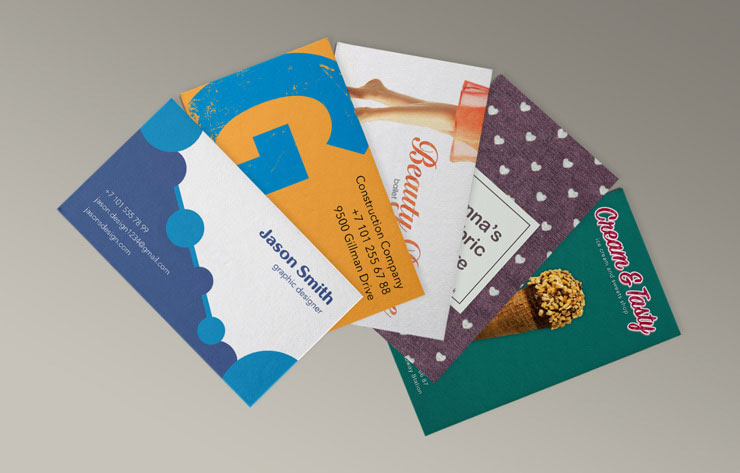





For many Canadian businesses, the Christmas season is one of the busiest and most important marketing periods of the year. Retailers prepare seasonal promotions, restaurants update menus and gift-card displays, professional firms send client appreciation cards, charities launch year-end appeals, and employers organize gifts for their teams. Behind all these activities is a long list of printed materials that must be designed, approved, produced and delivered on time.
The challenge is that holiday printing often gets treated as a collection of separate last-minute jobs. One person orders cards, another requests window signage, and someone else realizes in December that the business is running out of gift certificate holders. When each item is planned independently, branding can become inconsistent, costs can rise and important pieces can arrive too late to be useful.
A holiday printing checklist brings those projects together. It helps a business identify what it needs, establish priorities, coordinate artwork and schedule production before the seasonal rush begins. Early planning also creates more room for thoughtful design, specialty finishes, mailing preparation and delivery across Canada.
Whether your business needs a small run of customer cards or a coordinated national campaign, this guide will help you plan holiday marketing materials from late summer through Christmas. It covers cards, direct mail, signage, packaging, gift certificates, calendars and promotional products, along with the practical decisions that can keep every project moving.
Why Holiday Printing Should Begin Earlier Than You Think
Christmas may be in late December, but many holiday campaigns begin appearing in October or early November. If printed materials need to be in customers’ hands before a promotion starts, the work has to begin much earlier.
Every print project moves through several stages. The business first decides on its campaign, audience, quantities and budget. Content must then be written, artwork created and stakeholders given time to review it. After approval, the printer may need to source a specific stock, prepare a proof, produce the order, complete any finishing and arrange delivery or mailing.
A straightforward digitally printed sign may move quickly. A personalized direct mail campaign, custom package, large promotional-product order or multi-location rollout can require considerably more coordination. Production time is only one part of the schedule; approvals, shipping, inventory and distribution matter too.
Planning early gives your business several advantages:
- More time to develop a unified campaign instead of creating unrelated pieces
- A wider selection of paper, materials, finishes and promotional products
- Time to request and review proofs before full production
- More flexibility if artwork, quantities or delivery details change
- Better coordination between printing, mailing and campaign launch dates
- Less reliance on rush production and expedited shipping
- Time to distribute materials to multiple offices, stores or franchise locations
Early does not mean every project must be printed months in advance. It means beginning the conversation early enough to choose the right production schedule. A local Print Three location can help you work backwards from the date each item must be available.
The Holiday Printing Timeline at a Glance
The ideal schedule depends on the product, quantity, finishing, delivery destinations and complexity of the artwork. The following timeline is a planning guide rather than a guarantee of production or mailing dates.
| Planning period | Main priorities | Materials to address |
|---|---|---|
| August to September | Set objectives, budget and creative direction | Campaign concept, customer lists, packaging, calendars and promotional products |
| Early October | Finalize longer-lead projects and master artwork | Custom packaging, labels, corporate gifts, calendars and multi-location materials |
| Late October | Approve core customer-facing pieces | Holiday cards, direct mail, gift certificates, menus, posters and window graphics |
| November | Distribute, mail and install the campaign | Direct mail, signage, cards, packaging supplies, displays and employee gifts |
| Early December | Replenish and support active promotions | Short-run signs, gift certificates, labels, table displays, menus and inserts |
| After Christmas | Transition into Boxing Day and the New Year | Clearance signage, return information, New Year materials and campaign review |
Businesses with complex finishing, large quantities, custom manufacturing or delivery to several provinces should generally start sooner. Before approving a campaign, confirm current lead times with your print provider and check annual mailing guidance for anything that must arrive by a particular date.
August to September: Build the Holiday Campaign Plan
The first stage is not about sending files to print. It is about deciding what the business is trying to achieve and how the different materials will support that goal.
Start by identifying the main holiday objectives. A retailer may want to increase store visits and gift-card sales. A professional services firm may want to thank clients and remain visible heading into the New Year. A restaurant might promote seasonal menus, catering and private events. A charity may focus on year-end donations. Each objective leads to a different combination of Christmas promotional materials.
At this stage, answer the following questions:
- Which offers, events or messages will the campaign promote?
- Who should receive or see each message?
- When does each promotion begin and end?
- Which materials are needed in stores, offices, packages or mailboxes?
- Will individual locations need customized details?
- What quantities are required, including reasonable overage?
- Who must approve copy, design, pricing and legal information?
- How will the business measure response?
This is also the right time to inventory reusable items. Some banner stands, sign holders, display hardware and decorations may still be in good condition. Their printed graphics may simply need updating. At the same time, review last year’s leftovers for outdated dates, pricing, QR codes, terms, brand elements or contact information.
Create One Master Holiday Message
A coordinated campaign does not require every piece to look identical. It does require a shared visual and messaging system.
Choose a seasonal colour palette that complements the brand, a consistent image style and a small set of approved headlines. Establish how the logo will appear and where offer details, expiry dates, calls to action and disclaimers belong. If the campaign includes a QR code, decide on its destination and test the landing page before artwork is finalized.
The master concept can then be adapted across postcards, cards, posters, package inserts, labels, signs and digital channels. This approach speeds up approvals and helps the customer recognize the campaign at every touchpoint.
Confirm Your Budget and Priorities
Not every item carries equal value. Separate essential materials from optional enhancements so that the budget supports the most important customer interactions first.
For example, a retailer may consider price signs, gift certificates and packaging essential, while branded promotional gifts are an enhancement. A law or accounting firm may prioritize client cards and calendars. A restaurant may put menus, takeout inserts and gift-card displays at the top of the list.
When requesting a quote, provide as much detail as possible: finished size, quantity, stock, number of versions, colour requirements, finishing, delivery destinations and the date the item is needed. If specifications are still open, explain how the piece will be used. An experienced commercial printing provider can recommend practical options that fit the purpose and budget.
Early October: Finalize Longer-Lead Holiday Materials
October is the time to approve projects that may involve custom production, specialty materials, multiple components or distribution to many locations. Leaving these items until December can reduce available choices or make the intended launch date difficult to meet.
1. Custom Holiday Packaging
Packaging becomes especially visible during the Christmas season. Customers may be purchasing gifts, shipping products directly to recipients or sharing unboxing photos online. A well-planned package can make even a familiar product feel more special.
Holiday packaging does not always require developing an entirely new box. Businesses can create a seasonal experience with:
- Printed sleeves around existing packages
- Festive labels and seals
- Custom tissue paper or wrapping sheets
- Thank-you cards and package inserts
- Gift tags and hang tags
- Branded stickers for bags, boxes and envelopes
- Instruction or care cards adapted for gift recipients
- Promotional cards encouraging a return visit in January
Begin with the practical requirements. The packaging must fit the product, protect it during handling and work with the business’s packing process. Consider whether it will encounter moisture, refrigeration, cold weather or shipping abrasion. Materials and adhesives should be selected for the actual environment, not only for appearance.
Print Three’s packaging solutions can help businesses connect structural needs with professional presentation. For seasonal add-ons, labels, stickers and decals can also update standard packaging without replacing every component.
Order enough packaging for the full promotional period, plus an allowance for damage, samples and unexpected demand. However, avoid printing an excessive quantity of materials containing a year, limited-time offer or temporary price unless there is a clear plan to use them.
2. Promotional Products and Corporate Gifts
Branded merchandise can support employee recognition, customer appreciation, events and holiday gift packages. Popular options may include mugs, apparel, bags, notebooks or other useful items that keep the business visible after Christmas.
Promotional products should be chosen for the recipient rather than simply because an item is available. Consider usefulness, brand fit, decoration area, packaging, quantity and delivery. A premium gift for a small group of important clients will have different requirements from a giveaway distributed at several stores.
Because product availability and decoration methods vary, begin this project early. Confirm colour options, sizes, logo placement, packaging and whether individual names or messages are required. If gifts must be packed with cards and delivered to separate recipients, include fulfilment time in the schedule.
Print Three offers a broad selection of customizable promotional products that can be incorporated into a holiday campaign.
3. Custom Calendars for the New Year
Calendars are both holiday gifts and year-round marketing tools. A useful calendar can place a brand in front of a customer every day, but it takes time to select images, verify dates, organize content and approve each page.
Businesses can produce wall calendars, desk calendars or other formats suited to their audience. A real estate brokerage might feature local neighbourhoods, a construction company could showcase completed projects, and a nonprofit could highlight community stories. Important company dates, seasonal tips or service reminders can add value, provided the design does not become overly promotional.
Review every month carefully. Check dates, holidays, captions, image permissions, contact information and any location-specific details. If the calendar will be mailed, its size and weight should be considered before the design is finalized.
Custom calendar printing should be scheduled early enough for production, delivery and distribution before offices begin closing for the holidays.
4. Multi-Location Campaign Kits
Franchises, retail chains and organizations with several branches require an additional layer of planning. Each location may need a standard kit containing posters, counter signs, window graphics, gift-card displays, cards and packaging materials. Some pieces may also require local phone numbers, addresses, offers or languages.
Create a location spreadsheet that identifies each version, quantity and shipping destination. Have local managers confirm information before production. A single approved master design with controlled variable fields can help maintain brand consistency while allowing appropriate customization.
Build distribution time into the schedule and send installation instructions with the kits. Even beautifully produced seasonal printing will lose impact if locations receive the wrong pieces or do not know where they belong.
Late October: Approve Core Holiday Marketing Materials
By late October, most customer-facing holiday artwork should be ready for final proofing. This includes the pieces that will be mailed, displayed or handed out throughout November and December.
5. Corporate Holiday Cards
Printed holiday cards remain a personal way to recognize customers, partners, donors and employees. They can express appreciation without turning every communication into a sales message.
Decide whether the card will be general or personalized. A general card may work for a broad client list, while high-value relationships may deserve a handwritten note or individual signature. Variable printing can add recipient names or other tailored details, although personalization should still feel natural.
When planning cards, consider:
- Folded or flat format
- Paper stock and finish
- Matching envelopes
- Branded versus image-led design
- Space for handwritten messages or signatures
- Mailing address placement
- Bilingual or region-specific versions
- Religious, Christmas-specific or inclusive seasonal wording appropriate to the audience
Avoid crowding the card with a long sales pitch. If a promotional offer is part of the campaign, a separate insert or postcard may give it more room while allowing the card itself to focus on appreciation.
Print Three provides custom cards and invitation printing for business greetings, holiday events and other seasonal communications.
6. Holiday Direct Mail
A holiday direct mail campaign can promote store events, seasonal services, gift ideas, fundraising appeals, limited-time offers or New Year bookings. The campaign might use postcards, self-mailers, letters, catalogues or another format suited to the message and audience.
The first decision is not the paper stock; it is the audience. Existing customers can be selected based on past purchases, service history or geography. Prospective customers might be reached within chosen neighbourhoods or other target areas. The audience, mailing format and objective should be planned together.
Keep the message focused. A strong mail piece usually makes one primary offer easy to understand, provides a reason to act and tells the reader exactly what to do next. Use an offer code, dedicated URL, trackable phone number or campaign-specific QR code if measuring response is important.
Mailing requires more than printing. Data preparation, address quality, postal specifications, sorting, fulfilment and entry dates all affect the plan. Exact delivery timing can vary, particularly during peak season, so avoid relying on a mail piece arriving on one precise day. Work backward from the campaign window and confirm current requirements before approving the design.
Print Three offers end-to-end direct mail services and can help businesses coordinate printing with the practical requirements of mailing. A custom postcard can be an effective format when the campaign needs a concise, visual offer.
7. Holiday Signage
Seasonal signage helps customers understand what is happening the moment they approach a business. It can announce a sale, direct people to an event, explain holiday hours, promote gift cards or guide shoppers through a busy space.
Create a sign inventory by customer journey rather than product type:
- Exterior: banners, A-frames, window graphics and entrance signs
- Entry: holiday hours, event information and campaign message
- Browsing areas: category signs, product callouts and directional graphics
- Point of purchase: counter cards, gift-card displays and impulse offers
- Pickup areas: order instructions, collection signs and wayfinding
- Exit: thank-you messages, return policies and New Year offers
Readability matters more than decoration. Use clear hierarchy, strong contrast and short messaging. A person walking past a window or driving by a banner has only a few seconds to understand it. Smaller signs can carry supporting details once the customer is inside.
Choose materials based on placement and duration. Outdoor signs need to withstand Canadian winter conditions, while indoor signs can prioritize finish and presentation. Window graphics should be planned around sightlines and installation. Print Three’s sign printing services include banners, retail signs, wall and window graphics, A-frames and many other indoor and outdoor formats.
8. Gift Certificates and Gift-Card Materials
Gift certificates can create immediate seasonal revenue and introduce new customers to a business. Spas, restaurants, attractions, professional services, retailers and many other organizations can use them, provided the program is set up carefully.
The certificate or carrier should look valuable enough to give as a gift. Consider heavier stock, a branded envelope, a presentation folder, a foil accent or another finish that fits the brand. Include the information a purchaser and recipient need, such as the value, redemption method, location, contact details and any applicable terms.
Security and administration matter too. Numbered certificates, barcodes, QR codes or another internal tracking method can help the business validate redemption. Staff should understand how certificates are sold, recorded and accepted before the promotion begins. Have terms reviewed for applicable legal and operational requirements rather than copying wording from another business.
Support the program with counter signs, window messaging, package inserts and social graphics. Also plan packaging for physical gift cards so the customer leaves with something presentation-ready.
9. Seasonal Menus, Flyers and Inserts
Restaurants may need Christmas menus, catering packages, table displays and takeout inserts. Retailers may use flyers to highlight gift ideas. Service businesses can add a seasonal offer to invoices, pickup orders or customer packages.
These smaller pieces often connect the entire campaign. A package insert can introduce a January promotion. A flyer can explain an offer that is too detailed for a window sign. A table card can promote gift certificates while customers are already engaged with the business.
Check prices, availability, dates and redemption terms immediately before approval. If product availability may change, consider a design that can be updated in shorter runs rather than printing the entire season’s quantity at once.
November: Mail, Distribute and Install
November is when planning turns into execution. Major items should be arriving, campaign kits should be moving to locations and customer-facing materials should be installed according to the promotional calendar.
Create a receiving checklist for each order. Count packages, inspect representative pieces and confirm that versions were sent to the correct destinations. Do this when the order arrives, not on the morning the campaign begins.
For signage, photograph the intended placement or provide a simple location guide. Confirm that adhesive graphics are being installed on properly prepared surfaces and that outdoor signs are safely secured. Store backup pieces flat or rolled as directed so they remain usable.
For direct mail and cards, confirm that recipient data and final quantities match the approved plan. Keep records of the mailed version, offer code, distribution area and mailing period. These details will help with later measurement.
For packaging and gifts, test the complete assembly process. Pack one real order from beginning to end. This can reveal practical problems, such as a sleeve that slows fulfilment, a label placed over required information or an insert that does not fit the box.
Coordinate Print With Digital Marketing
Holiday marketing materials work best when customers encounter a consistent message online and offline. The offer on a postcard should match the landing page. Store hours on a window sign should match the website and business listings. A QR code should open a fast, mobile-friendly page with the promised information.
Use the same campaign imagery and core message in email, social media and online advertising. This repetition helps recognition, while the different channels serve different moments in the customer’s decision process.
Before launch, test every phone number, URL, QR code, coupon code and form. Also decide who will monitor responses and how leads, sales or redemptions will be attributed to the campaign.
Early December: Replenish the Materials That Are Working
Even with good planning, demand can change. A promotion may perform better than expected, a location may need more gift certificate holders or a product line may sell out and require replacement signage.
December should be treated as a replenishment period, not the time to begin every project from scratch. Review inventory weekly and identify which materials are being used faster than expected.
Items that may be suitable for short-run or updated production include:
- Gift certificates and carriers
- Counter cards and table displays
- Product labels and package inserts
- Short-term sale signs
- Menus and price sheets
- Directional signs
- Small quantities of cards or postcards
Digital printing services can be especially useful for shorter quantities, multiple versions and quick campaign updates, depending on the project’s specifications and current production schedule.
Do not assume that every job can be rushed. Ask what is realistically possible, provide final artwork and be flexible about materials or finishing if timing is the priority. The earlier the initial campaign is planned, the fewer essential pieces will depend on last-minute production.
Prepare Boxing Day and New Year Materials Before Christmas
The holiday printing checklist should not end on December 24. Many Canadian retailers transition directly into Boxing Day promotions, while other businesses begin January campaigns as soon as they reopen.
Prepare the next phase while the Christmas campaign is in production. Possible materials include Boxing Day or Boxing Week signs, clearance tags, return and exchange information, New Year appointment reminders, January direct mail, updated brochures and fresh business stationery.
If window graphics or poster frames will change on a specific day, label the replacement pieces and provide an installation schedule. Multi-location businesses should include both Christmas and post-Christmas materials in the same distribution kit when practical. This avoids a second urgent shipment during a period when offices, production facilities and carriers may have reduced schedules.
Artwork Checklist Before Sending Files to Print
Late artwork is one of the most common reasons a holiday project becomes urgent. Build internal review time into the schedule and check the following before final approval:
- Correct finished size, bleed and safe margins
- High-resolution images suitable for print
- CMYK colours or other specifications requested by the printer
- Current logos, fonts and brand colours
- Correct spelling, punctuation, prices and dates
- Accurate addresses, phone numbers and website links
- Clear offer terms, expiry dates and exclusions
- Tested QR codes pointing to live, mobile-friendly pages
- Appropriate bilingual or regional versions where required
- Correct variable data fields and mailing-list columns
- Final quantities and delivery destinations
- Approval from every required stakeholder
Review the proof as if you have never seen the campaign. Read the fine print, scan the QR code from a phone and compare dates against a calendar. For folded, die-cut or packaged pieces, confirm how the artwork will appear after finishing and assembly.
Avoid approving a proof while relying on a planned website page, coupon or phone extension that has not yet been tested. The printed piece cannot be updated once it is produced.
How Much Should You Order?
Ordering too little creates the risk of a December reprint. Ordering too much can leave the business with dated materials that cannot be reused. The right quantity balances forecast demand with the shelf life of the piece.
Use last year’s sales, foot traffic, mailing volumes and material usage as a starting point. Adjust for new locations, longer promotions, expanded services or expected changes in demand. Include a modest overage for damaged items, internal samples and unexpected needs.
Separate evergreen materials from date-sensitive ones. A general branded gift-card holder may remain useful next year, while a flyer showing a 2026 offer and fixed expiry date will not. Where information may change, it can be safer to order an initial quantity and plan a replenishment checkpoint.
For multi-location businesses, ask each location to submit quantities through a controlled process. Compare unusual requests against store size and past usage. Consolidating accurate requirements early can support efficient production without creating unnecessary waste.
Holiday Print Planning Mistakes to Avoid
Waiting for Every Detail Before Contacting a Printer
You do not need finished artwork to begin planning. An early conversation can identify realistic formats, materials, budgets and lead times before the design is built around an impractical assumption.
Treating Each Item as a Separate Campaign
Cards, packaging, signs and direct mail should reinforce the same strategy. A shared creative system makes the campaign more recognizable and approvals more efficient.
Choosing Materials Without Considering Their Environment
A label used in a freezer, a sign placed outdoors and an insert packed beside food all have different requirements. Explain where and how the printed piece will be used.
Forgetting Distribution and Installation
Production completion is not the final deadline. Materials still need to be shipped, mailed, unpacked, installed or handed to staff. Work backwards from the date customers need to see them.
Printing Before Testing Digital Destinations
QR codes, landing pages, offer codes and online forms must work before the print run begins. A beautiful piece cannot compensate for a broken customer journey.
Using Exact Postal Arrival Dates as a Promise
Seasonal delivery can be affected by mailing format, destination and volume. Build flexibility into the offer and avoid making the campaign depend on every piece arriving on one exact day.
Overloading the Design
Trying to include every product, message and seasonal graphic can make a piece harder to understand. Give each item one clear job and direct the customer to a website, landing page or staff member for further information.
The Complete Holiday Printing Checklist
Use this condensed list to track your campaign from planning to launch.
Strategy and Administration
- Define campaign objectives, audience and offers
- Set a total budget and prioritize essential materials
- Assign copy, design and approval responsibilities
- Confirm campaign dates and location requirements
- Review last year’s inventory and performance
- Establish tracking codes and response measures
Creative and Artwork
- Develop a master seasonal design system
- Prepare versions for regions, languages or locations
- Confirm brand assets, dates, prices and terms
- Test URLs, QR codes, forms and phone numbers
- Review printer specifications and final proofs
Materials to Consider
- Corporate holiday cards and envelopes
- Direct mail postcards, letters or catalogues
- Outdoor, window, interior and point-of-purchase signs
- Custom packaging, sleeves, labels, stickers and inserts
- Gift certificates, gift-card carriers and displays
- Promotional products and corporate gifts
- Custom calendars
- Menus, flyers, table cards and event materials
- Boxing Day, New Year and January campaign pieces
Production and Distribution
- Confirm quantities and reasonable overage
- Approve longer-lead projects first
- Verify mailing data and postal requirements
- Supply delivery addresses and location allocations
- Inspect orders when they arrive
- Distribute installation or assembly instructions
- Monitor inventory and schedule replenishment if needed
Measurement and Follow-Up
- Record which versions and quantities were distributed
- Track redemptions, QR scans, calls, leads and sales
- Ask locations what ran out or went unused
- Save successful artwork and specifications
- Document lessons for next year’s holiday printing checklist
Make Holiday Printing Easier With One Coordinated Plan
The most effective seasonal campaigns are rarely the result of a frantic December order. They are built through early decisions, coordinated artwork, careful proofing and realistic production schedules. When cards, direct mail, signage, packaging, gift certificates, calendars and promotional materials are planned together, every printed touchpoint can reinforce the same message and present the business professionally.
Starting early also gives your organization choices. There is more time to explore materials and finishes, personalize selected pieces, organize multi-location delivery and respond if campaign details change. Most importantly, the finished materials can be in place when customers are ready to shop, book, donate or celebrate.
Print Three supports Canadian businesses with comprehensive Christmas printing services, from commercial printing and direct mail to custom packaging, signs, calendars, cards, labels and promotional products. Our team can help you turn a long seasonal wish list into a practical production plan.
Find your nearest Print Three location to discuss your holiday marketing materials, confirm current lead times and start preparing for a successful Christmas campaign.