










Whether you’re attending a local business expo, an industry conference, a networking event, or a national trade show, preparation can make the difference between blending into the crowd and becoming one of the most memorable exhibitors on the floor. Every interaction at an event is an opportunity to build relationships, generate leads, and showcase what makes your business unique. Having the right printed materials plays a significant role in achieving those goals.
Across the country, businesses rely on Print Three services to create professional displays that attract attention, communicate their brand clearly, and encourage visitors to engage. While digital marketing remains essential, trade shows and conferences offer something online advertising cannot fully replicate—face-to-face conversations with prospective customers. When those conversations are supported by high-quality printed materials, businesses often leave a stronger and more lasting impression.
The challenge is that preparing for an event involves much more than simply ordering a banner a few days before setup. Successful exhibitors carefully plan everything from exhibition displays and conference signage to brochures, business cards, promotional handouts, and branded table coverings. Every element should work together to present a consistent, professional image that reflects your business.
This comprehensive checklist will walk you through everything you should prepare before your next event. Whether you’re attending your first trade show or your fiftieth, following these recommendations can help you maximise your investment and ensure your booth stands out for all the right reasons.
Why Event Printing Still Matters
Trade shows continue to evolve as technology changes, but professionally printed marketing materials remain one of the most effective tools available to exhibitors. Visitors often spend hours walking through exhibition halls filled with competing businesses. During that time, they are exposed to hundreds of logos, displays, presentations, and conversations.
Without visually engaging printed materials, even an excellent product or service can struggle to capture attention.
Professional trade show printing creates consistency across every customer touchpoint. Instead of relying solely on verbal conversations, your booth immediately communicates professionalism, credibility, and attention to detail before anyone even says hello.
Printed materials also provide something tangible for visitors to take away. While digital advertisements disappear with a swipe of a finger, brochures, catalogues, business cards, and promotional pieces often remain on desks long after an event has ended. They become reminders that encourage prospects to reconnect once they’re back at the office.
In many industries, purchasing decisions are made weeks or even months after a conference concludes. A well-designed printed brochure or professionally produced information package can help keep your business top of mind during that decision-making process.
Start Planning Earlier Than You Think
One of the most common mistakes businesses make is leaving their event printing until the final week before the show. While many printers can accommodate rush orders, early planning provides significantly more flexibility and generally results in a better final product.
As soon as you register for an event, begin creating a checklist of everything you’ll need.
Consider questions such as:
- How large is your booth?
- Will visitors approach from multiple directions?
- What information should be visible from across the room?
- Which products or services deserve the greatest attention?
- Will you require bilingual materials?
- Are electrical outlets available for digital displays?
- How much printed literature should you bring?
Answering these questions early allows sufficient time for graphic design, proofreading, revisions, production, and shipping if necessary.
It also gives your team time to review every printed piece together to ensure branding remains consistent throughout your display.
Develop a Cohesive Brand Experience
Every printed item should look like it belongs to the same company.
Your banners should use the same colours as your brochures. Your brochures should match your business cards. Your table throw should reinforce your logo. Even small details such as fonts, photography style, and messaging should remain consistent.
When visitors encounter unified branding throughout your booth, your business appears larger, more established, and more trustworthy.
Consistency helps visitors quickly recognise your company as they move around the event. Someone may first notice your retractable banner, later receive one of your brochures, and finally speak with your staff before taking a business card. If every item shares the same visual identity, those repeated impressions reinforce your brand.
A coordinated approach also makes your booth more visually appealing. Rather than appearing cluttered or pieced together from unrelated marketing materials, it creates a polished presentation that encourages visitors to stop and learn more.
Large Format Banners: Your First Opportunity to Capture Attention
Your banner is often the very first thing attendees notice from across the exhibition floor.
High-quality banners immediately communicate professionalism while helping visitors understand what your company offers within just a few seconds.
Rather than filling a banner with excessive text, focus on simple messaging that answers three questions:
- Who are you?
- What do you do?
- Why should someone stop?
Large, readable headlines perform far better than lengthy paragraphs. Most attendees are walking quickly between booths and won’t stop to read detailed descriptions from several metres away.
Professional photography, clean graphics, and bold branding help create an inviting display that draws people closer.
When designing banners, remember that they need to be readable from different distances. A headline visible from across the aisle may encourage someone to approach, while supporting information becomes easier to read once they’re standing at your booth.
Many businesses attending events choose durable vinyl banners because they can be reused multiple times throughout the year, making them an excellent long-term investment.
Choosing the Right Banner Size
Not every event has the same booth dimensions.
Some conferences provide compact tabletop displays, while national exhibitions may include large corner booths with significant wall space.
Selecting the appropriate banner size ensures your display complements the available space instead of overwhelming it.
Common options include:
- Pull-up banner sizes for smaller booths
- Wide backdrop banners
- Hanging fabric banners
- Pop-up display walls
- Outdoor banners for festivals and community events
Before ordering, always confirm the event’s exhibitor guidelines. Many venues specify maximum display heights or restrict hanging signage.
Working with an experienced printer can help ensure your graphics meet those requirements while still making maximum visual impact.
Retractable Displays: Portable Professionalism
Few products have become as popular in trade show printing as retractable banner stands.
Their popularity comes from their combination of portability, professional appearance, and ease of setup. A single person can typically transport and assemble one within minutes, making them ideal for businesses attending multiple events throughout the year.
Unlike traditional banners that require complicated hardware, retractable displays roll neatly into their base for protection during transport. This keeps graphics clean and reduces wear between events.
Many exhibitors use multiple retractable displays throughout their booth.
For example:
One display may introduce the company.
A second could highlight specific products.
A third might showcase customer testimonials or successful case studies.
Instead of overwhelming visitors with information on one oversized display, multiple retractable banners allow messaging to be organised into easy-to-read sections.
They also create flexibility. Depending on the size of your booth, displays can be rearranged to maximise visibility and improve visitor flow.
Professional exhibition displays often combine retractable banners with larger backdrop graphics, creating depth while ensuring branding remains visible from several directions.
Think About Visitor Flow
Successful booth design isn’t just about attractive graphics—it also considers how people naturally move through a space.
If visitors have difficulty entering your booth because banners block access or tables create bottlenecks, valuable conversations may never happen.
Arrange displays so that attendees can comfortably approach your staff without feeling confined.
Leave adequate room for conversations while ensuring printed materials remain easy to access.
Your banners should encourage movement rather than create barriers.
When thoughtfully planned, your exhibition space becomes inviting instead of intimidating, encouraging more people to stop, ask questions, and engage with your business.
Make Your Table Work for You
At many trade shows and conferences, the table becomes the centrepiece of your booth. It is where conversations take place, literature is displayed, demonstrations occur, and potential customers gather to learn more about your business. Yet despite its importance, many exhibitors simply cover their table with a plain cloth or leave the venue-provided table exposed.
A professionally printed table throw instantly transforms an ordinary display into a polished, branded presentation. Custom table covers not only improve the appearance of your booth but also reinforce your company identity from every angle. Visitors walking past should be able to recognize your logo even if your booth is busy with attendees.
Table throws are also practical. They conceal storage boxes, promotional materials, personal belongings, and additional inventory beneath the table, helping maintain a clean and organized appearance throughout the event. A tidy booth projects professionalism and allows visitors to focus on your products and messaging rather than unnecessary distractions.
When selecting a custom table throw, choose colours that complement your other conference signage and exhibition materials. Consistent branding across every printed element creates a stronger visual identity and helps your business appear more established.
Brochures That Continue the Conversation
While banners attract attention, brochures provide the detailed information that visitors often want before making a purchasing decision.
Many attendees collect information from multiple exhibitors throughout the day. Once they return to their office, they review the brochures they’ve gathered to compare products, services, and pricing. A professionally designed brochure gives your business another opportunity to stand out after the event has ended.
Rather than overwhelming readers with excessive information, focus on creating a brochure that answers the questions customers most frequently ask. Explain what your business does, who you serve, and why customers choose your products or services. Include compelling photography, concise copy, and a clear call to action encouraging readers to contact your business or visit your website.
Brochures are particularly valuable for businesses offering complex services that require explanation. They allow prospects to digest information at their own pace and share it with colleagues who may not have attended the event.
When planning your event materials, consider whether a tri-fold brochure, booklet, catalogue, or product guide best suits your business. The format should reflect both the amount of information you wish to provide and the expectations of your target audience.
Product Sheets and Sell Sheets
Not every visitor requires a comprehensive brochure.
Many businesses also produce single-page product sheets or sell sheets that highlight individual products, services, or solutions. These are particularly useful when your company offers multiple product categories or customized services.
For example, a manufacturing company may create separate sheets for each product line, while a marketing agency may produce individual pages outlining website development, SEO, digital advertising, and branding services.
This approach allows sales representatives to tailor information to each prospect rather than handing everyone the same package.
Single-page sheets are also less expensive to update when products, pricing, or services change, making them an excellent long-term investment.
Business Cards Still Matter
Despite the growth of digital networking tools, business cards remain one of the most valuable items you can bring to a trade show or conference.
Exchanging business cards is quick, professional, and familiar. Even when attendees connect digitally through LinkedIn or QR codes, many still appreciate receiving a physical card they can reference later.
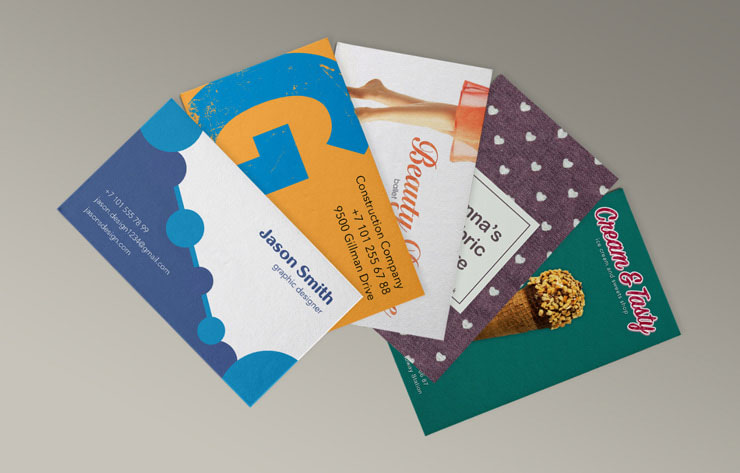
A well-designed business card communicates professionalism long before anyone reads the information printed on it. High-quality paper stock, premium finishes, and clean design demonstrate attention to detail and reinforce your brand.
Your business card should include:
- Company name and logo
- Your name and position
- Phone number
- Email address
- Website
- Social media handles where appropriate
- QR code if applicable
Avoid cluttering the card with excessive information. Simplicity often makes a stronger impression.
It’s also worth bringing more cards than you think you’ll need. Large conferences often present unexpected networking opportunities, and running out of cards midway through an event is easily avoided with a little preparation.
Don’t Forget Your Team
If multiple employees are attending the event, ensure everyone has updated business cards.
It’s surprisingly common for businesses to spend thousands of dollars on booth design while forgetting to reorder business cards for new staff members or employees with updated contact information.
Review every team member’s cards several weeks before the event to confirm all information remains accurate.
QR Code Signage Bridges Print and Digital
One of the biggest advantages of modern trade show printing is the ability to seamlessly connect printed materials with digital experiences.
QR codes have become a simple yet highly effective way to direct visitors toward online content without requiring them to manually type web addresses into their phones.
Strategically placed QR codes can link visitors to:
- Your website
- Product catalogues
- Online brochures
- Video demonstrations
- Appointment booking pages
- Promotional offers
- Digital business cards
- Event-specific landing pages
- Customer surveys
- Newsletter sign-up forms
By combining print with digital marketing, you continue engaging potential customers long after they leave your booth.
Create Event-Specific Landing Pages
Rather than sending every QR code to your homepage, consider creating a dedicated landing page specifically for the event.
This allows you to tailor messaging toward conference attendees while measuring campaign performance more accurately.
An event-specific landing page might include:
- A thank-you message
- Additional product information
- Exclusive event promotions
- Downloadable resources
- Contact forms
- Demonstration videos
- Booking options
Tracking visits from QR codes also helps evaluate the success of your event marketing and provides valuable insights for future exhibitions.
Promotional Handouts That People Actually Keep
Trade show giveaways have been popular for decades, but not every promotional item delivers value.
Rather than choosing inexpensive products that attendees quickly discard, focus on practical items people are likely to use after the event.
Popular promotional products include notebooks, reusable water bottles, pens, calendars, tote bags, phone accessories, and desk items.
Whenever possible, choose products that align with your brand and your audience. A technology company may offer webcam covers or charging cables, while a financial firm may distribute premium notebooks or planners.
Printed promotional products continue advertising your business long after the event concludes.
Organize Your Literature Display
How your printed materials are presented can be just as important as the materials themselves.
A cluttered table stacked with overlapping brochures creates confusion and discourages visitors from picking anything up. Conversely, neatly organized literature holders encourage browsing and make it easier for attendees to find information relevant to their interests.
Arrange brochures according to importance, placing your primary marketing pieces in the most visible positions. Product sheets can be grouped logically beside related displays, while business cards should remain easily accessible throughout the event.
Keep additional stock stored neatly beneath your table so displays remain full throughout the day without appearing overcrowded.
Think Beyond Paper
Today’s exhibition displays often combine traditional print with a variety of branded visual elements.
Depending on your booth size and budget, additional printed materials may include:
- Window or floor graphics
- Directional signage
- Counter wraps
- Branded podiums
- Hanging signs
- Foam board displays
- Mounted presentation boards
- Fabric backdrops
- Product labels
- Shelf talkers
These pieces work together to create an immersive brand experience that captures attention from multiple directions.
Rather than relying on one large banner, a coordinated collection of printed materials creates depth and encourages visitors to spend more time exploring your booth.
Keep Messaging Simple
Trade shows are busy environments filled with distractions.
Visitors rarely stop to read lengthy paragraphs while walking through exhibition halls. Your printed messaging should therefore focus on clarity rather than quantity.
Headlines should communicate your primary value proposition within just a few seconds.
Supporting text can reinforce those messages once visitors move closer, while brochures and product sheets provide detailed information for later review.
Remember that every printed piece serves a different purpose. Banners attract attention. Brochures educate. Business cards facilitate follow-up. QR codes encourage digital engagement.
When each item performs its specific role effectively, your overall marketing becomes significantly more powerful.
Creating Exhibition Displays That Leave a Lasting Impression
An effective trade show booth is more than a collection of banners and brochures—it tells the story of your business. Every element should work together to create an inviting space where visitors feel comfortable stopping, asking questions, and learning more about what you offer.
The most successful exhibition displays are clean, uncluttered, and focused on a clear message. Instead of trying to communicate every product or service your business offers, concentrate on the solutions that matter most to your target audience. Visitors should be able to understand your company within a few seconds of approaching your booth.
Lighting, spacing, and layout also contribute to the overall experience. Ensure your booth remains open and accessible, with enough room for conversations without creating congestion. If possible, incorporate seating for longer discussions or demonstrations, particularly if your products or services require more detailed explanations.
Interactive elements can also encourage engagement. Product demonstrations, touchscreen presentations, live samples, or digital displays paired with professionally printed signage often increase the amount of time visitors spend at your booth. The longer someone remains engaged, the greater the opportunity to build trust and establish a meaningful business relationship.
Common Event Printing Mistakes to Avoid
Even experienced exhibitors occasionally overlook important details when preparing for a conference or trade show. Avoiding a few common mistakes can help ensure your investment delivers the best possible return.
One of the most frequent issues is inconsistent branding. Logos, colours, fonts, and messaging should remain consistent across every printed piece, from banners and brochures to business cards and promotional products. Inconsistent branding can make a business appear less established and create confusion for potential customers.
Another common mistake is overcrowding displays with text. Large blocks of copy are difficult to read in a busy exhibition environment. Focus on strong headlines, concise messaging, and eye-catching visuals that encourage visitors to learn more.
Many businesses also underestimate the quantity of printed materials they’ll need. Running out of brochures or business cards during a successful event can mean missed opportunities. While you don’t want to overproduce, it’s generally better to have extra materials than not enough.
Proofreading is another step that should never be rushed. Spelling mistakes, incorrect phone numbers, outdated website addresses, or inaccurate QR codes can undermine an otherwise professional display. Always review every printed file carefully before approving it for production.
Finally, don’t forget to consider transportation and setup. Large displays, retractable banners, and exhibition materials should be packed securely and clearly labelled to make installation as efficient as possible.
Last-Minute Printing Tips
While planning ahead is always recommended, sometimes opportunities arise with limited notice. You may receive a last-minute invitation to exhibit, decide to sponsor an event unexpectedly, or discover that existing materials need updating just days before the conference.
If you’re working under a tight deadline, prioritize the essentials.
Start with the items that visitors are most likely to see first:
- Retractable banners or display banners
- Business cards
- Brochures or product sheets
- Branded table throw
- QR code signage
If time is limited, it’s better to produce a smaller collection of high-quality materials than attempt to create every possible marketing piece at the last minute.
Prepare print-ready artwork whenever possible. High-resolution images, properly sized files, and correctly formatted PDFs can significantly reduce production time while minimizing the risk of delays.
Working with an experienced commercial printer also makes a considerable difference. A knowledgeable print partner can recommend suitable materials, identify potential artwork issues before production begins, and help prioritize the most important items to meet your event deadline.
Packing Checklist Before You Leave
After weeks of preparation, the final step is making sure everything actually arrives at the venue.
Create a packing checklist several days before the event rather than relying on memory during a busy setup day.
Your checklist might include:
- Banners and display hardware
- Retractable displays
- Branded table throw
- Brochures
- Product catalogues
- Business cards
- Promotional products
- Literature holders
- QR code signage
- Extension cords and power bars
- Tape, scissors, and zip ties
- Cleaning cloths
- Notepads and pens
- Water and snacks for booth staff
- Business card collection box or lead forms
- Charging cables for phones and tablets
Checking each item before loading your vehicle helps avoid unnecessary stress on event day and ensures your booth is ready when attendees begin arriving.
Making the Most of Every Conversation
High-quality conference signage and professionally printed marketing materials help attract visitors, but it’s your team that ultimately turns those interactions into valuable business opportunities.
Ensure everyone working at the booth understands your products and services, can answer common questions, and knows how to qualify potential leads. Friendly, approachable staff members who engage visitors naturally often outperform aggressive sales tactics.
Rather than immediately launching into a sales presentation, ask questions about the visitor’s business, challenges, or goals. This creates a more meaningful conversation and allows you to recommend solutions that are genuinely relevant.
Have brochures or product sheets readily available to support those discussions, and make sure every conversation ends with a clear next step—whether that’s scheduling a meeting, providing a quotation, arranging a demonstration, or encouraging the visitor to scan a QR code for additional information.
Don’t Let Your Marketing End When the Event Does
One of the biggest missed opportunities after conferences and trade shows is failing to follow up with the contacts you’ve worked so hard to generate.
The event itself is only the beginning of the customer journey.
Within a few days of returning to the office, organize your leads and begin reaching out while your conversations are still fresh in everyone’s minds. Personalized emails, phone calls, LinkedIn connections, or direct mail follow-ups can significantly improve conversion rates compared to generic marketing campaigns.
If you directed visitors to event-specific landing pages using QR codes, review the analytics to see how many people engaged with your content after the event. This information can help measure your return on investment and identify opportunities to improve future exhibitions.
Take time to evaluate which printed materials performed best. Did visitors frequently request brochures? Were QR codes widely used? Which banners attracted the most attention? These insights will help refine your strategy for future events and ensure your marketing budget continues delivering value.
Why Professional Printing Makes a Difference
Every trade show represents a significant investment. Registration fees, booth space, travel, accommodation, staffing, and promotional products all contribute to the overall cost of exhibiting. Given that investment, the quality of your printed materials should never be an afterthought.
Professional event printing services ensure every banner, brochure, business card, and display reflects the quality of your business. Crisp graphics, vibrant colours, premium materials, and expert finishing create a polished presentation that builds confidence with prospective customers.
Equally important is working with a print provider that understands the demands of event marketing. From recommending the right products to meeting tight deadlines and ensuring consistent branding across every printed piece, an experienced commercial printer becomes a valuable partner in your event planning process.
Whether you’re preparing for a local networking event, a regional conference, or a national trade show, investing in professionally produced trade show printing, conference signage, and exhibition displays helps your business present itself with confidence and professionalism.
Prepare for Success with Print Three
Trade shows and conferences provide valuable opportunities to showcase your business, build new relationships, and generate qualified leads—but success starts long before the doors open. Careful planning, cohesive branding, and professionally produced printed materials all contribute to creating a memorable experience for every visitor who stops by your booth.
From eye-catching banners and retractable displays to custom table throws, brochures, business cards, QR code signage, and complete exhibition displays, every piece plays an important role in helping your business stand out in a competitive environment. By preparing early and partnering with an experienced print provider, you’ll be well positioned to make a strong impression and maximize your return on investment.
Whether you’re exhibiting at a local community event or a national industry conference, Print Three is here to help. With locations across Canada and decades of commercial printing expertise, Print Three can provide high-quality event printing solutions tailored to your business. Contact your nearest Print Three location today to discuss your next trade show, conference, or exhibition and let our team help you create professional printed materials that make your next event your most successful one yet.