






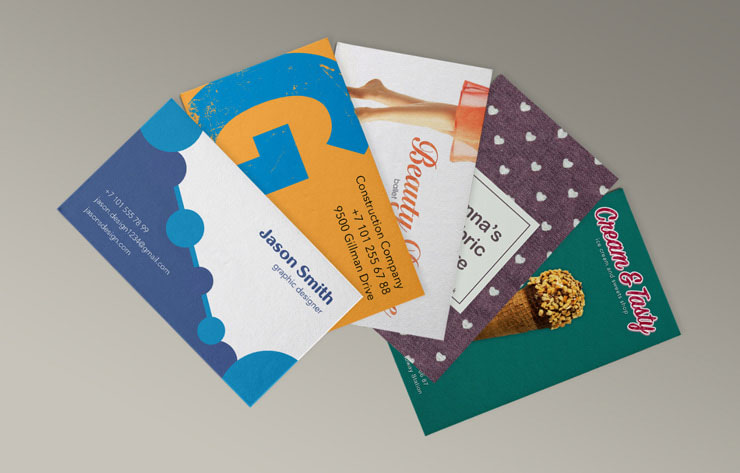





Print and digital marketing integration in Canada has become one of the most effective ways for businesses to cut through noise, improve campaign performance, and create more meaningful customer experiences. While digital marketing continues to dominate conversations around growth and measurement, print has quietly evolved into a powerful complementary channel — one that reinforces digital touchpoints rather than competing with them.
For Canadian businesses, the most successful marketing strategies are no longer print-only or digital-only. They are integrated. Print supports digital discovery. Digital enhances print engagement. Together, they create consistency, trust, and measurable results across every stage of the customer journey.
This in-depth guide explains why print and digital marketing work better together, how integration improves performance in the Canadian market, and how businesses can design campaigns that align physical and digital touchpoints. Each bullet point is expanded with fact-based, verifiable insights to ensure this blog serves as a practical, long-term resource for business owners and marketers.
Why Print Still Matters in a Digital-First World
Despite the rise of digital platforms, print continues to play a critical role in modern marketing strategies. In fact, research consistently shows that physical materials engage audiences in ways digital media alone cannot.
1. Print captures attention differently than digital
Print engages the human brain in unique and measurable ways:
- Physical materials create stronger memory retention. Studies from organizations such as Canada Post and neuromarketing research groups have shown that people recall printed materials more effectively than digital ads. Tangible items engage multiple senses, including touch and spatial awareness. This multisensory engagement improves comprehension and recall. Strong memory retention increases campaign effectiveness.
- Print reduces digital fatigue. Canadian consumers are exposed to thousands of digital messages daily, leading to ad blindness and reduced engagement. Print materials offer a break from screens and scrolling. This contrast makes print more noticeable and impactful. Reduced fatigue improves message reception.
- Printed materials command longer attention spans. Unlike digital ads that are easily skipped or scrolled past, print requires intentional interaction. Readers spend more time with printed content, absorbing details more thoroughly. This extended engagement supports deeper understanding. Longer attention correlates with higher trust.
- Print conveys credibility and permanence. Consumers often perceive printed materials as more trustworthy and authoritative. The investment required to produce print signals legitimacy. This perception is particularly important for service-based or regulated industries. Credibility strengthens brand confidence.
2. Print complements digital rather than competing with it
Integrated strategies leverage the strengths of both channels:
- Print reinforces digital messaging. When customers encounter consistent messaging across print and digital platforms, brand recognition improves. Print acts as a reminder that strengthens digital impressions. Repetition across channels enhances recall. This alignment improves overall campaign performance.
- Print drives traffic to digital destinations. QR codes, URLs, and personalized landing pages connect print directly to digital experiences. This allows businesses to track engagement and conversions. Print becomes an entry point to digital funnels. Integration bridges offline and online journeys.
- Print supports omnichannel consistency. Consistent visuals and messaging across channels create a cohesive brand experience. Customers feel confident when interactions feel familiar. Print plays a key role in maintaining this consistency. Unified branding builds trust.
- Print enhances digital trust signals. Receiving physical materials reinforces the legitimacy of digital interactions. Customers are more likely to engage with emails or ads after encountering printed touchpoints. Print supports digital credibility. This synergy increases conversion likelihood.
How Integrated Print and Digital Campaigns Perform Better
Combining print and digital marketing delivers measurable performance improvements across key metrics.
1. Higher response and conversion rates
Integrated campaigns outperform single-channel efforts:
- Multichannel campaigns increase engagement rates. Research from marketing analytics firms consistently shows higher response rates when print and digital are combined. Print reinforces digital messaging, improving recognition. Multiple touchpoints increase familiarity. Familiarity drives action.
- Print improves conversion quality. Customers who engage through both print and digital channels tend to convert at higher value levels. They often demonstrate stronger purchase intent. This results in higher average order values. Quality conversions matter more than volume alone.
- Physical reminders reduce drop-off. Print acts as a persistent reminder that digital ads cannot replicate. A brochure, postcard, or package insert remains visible longer. This extended presence supports follow-through. Reduced drop-off improves ROI.
- Integrated messaging improves clarity. When print and digital align, messaging feels more cohesive. Clear messaging reduces confusion and friction. Customers understand offers more quickly. Simplicity improves decision-making.
2. Better brand trust and recognition
Trust is built through consistent, repeated exposure:
- Consistent branding strengthens recognition. Seeing the same colours, logos, and messaging across channels reinforces brand identity. Print ensures visual consistency outside digital environments. Repetition builds recognition. Strong recognition supports long-term growth.
- Print increases perceived professionalism. Businesses that invest in high-quality print materials are often perceived as more established. This perception transfers to digital interactions. Professionalism builds confidence. Confidence drives engagement.
- Integrated campaigns reduce skepticism. Customers are less likely to question legitimacy when brands appear across multiple channels. Print acts as validation for digital messaging. This reduces hesitation. Lower skepticism increases response rates.
- Trust compounds over time. Each aligned touchpoint strengthens the customer relationship. Trust grows with consistency. Integrated campaigns accelerate this process. Long-term trust supports loyalty.
Key Ways to Integrate Print and Digital Marketing
Integration requires intentional planning and alignment across teams.
1. QR codes and smart URLs
Modern print technology enables seamless digital connections:
- QR codes provide instant digital access. Scanning QR codes connects users directly to landing pages, videos, or forms. This eliminates friction associated with manual URL entry. QR usage increased significantly across Canada during the pandemic. They remain widely adopted.
- Smart URLs enable campaign tracking. Custom URLs allow businesses to track traffic originating from print materials. This provides measurable data on print performance. Tracking supports optimization. Data-driven decisions improve outcomes.
- Dynamic destinations allow flexibility. QR codes can redirect to updated content without reprinting materials. This extends the lifespan of print assets. Flexibility reduces waste. Dynamic content supports agility.
- Mobile-first experiences improve engagement. Most QR scans occur on mobile devices. Optimized landing pages improve conversion rates. Mobile alignment is essential. Print supports mobile engagement.
2. Personalized print with digital data
Data integration enhances relevance:
- Variable data printing enables personalization. Names, offers, and locations can be customized using CRM data. Personalization increases response rates. Relevant messaging resonates more strongly. Data-driven print feels more human.
- Personalization improves customer experience. Customers expect relevant communications. Personalized print mirrors digital targeting. This alignment improves satisfaction. Experience quality matters.
- Data accuracy is critical. Clean data ensures personalization is effective. Errors damage trust. Strong data governance is essential. Print amplifies both accuracy and mistakes.
- Privacy compliance must be maintained. Canadian privacy regulations govern data usage. Responsible data handling protects customers. Compliance builds trust. Integration must respect privacy laws.
Measurement and Analytics in Integrated Campaigns
Print can be measured effectively when integrated with digital tools.
1. Tracking offline engagement
Measurement bridges the physical-digital gap:
- Unique QR codes identify print performance. Campaign-specific codes track engagement by region or format. This provides actionable insights. Performance data informs optimization. Measurement validates print investment.
- Promo codes link print to sales. Unique codes attribute purchases to print touchpoints. This improves attribution accuracy. Sales data supports ROI analysis. Attribution builds confidence.
- Landing page analytics capture behavior. Time on page and conversion rates reveal engagement quality. Print-driven traffic can be analyzed alongside digital campaigns. Insights guide refinement. Analytics support continuous improvement.
- A/B testing improves effectiveness. Testing different print designs or offers identifies top performers. Iteration improves results. Testing applies digital best practices to print. Optimization drives performance.
Best Practices for Canadian Businesses
1. Align teams early
Integration requires collaboration:
- Marketing and operations must coordinate. Alignment prevents delays and inconsistencies. Early planning supports execution. Collaboration improves outcomes. Teams work more efficiently together.
- Print partners should be involved early. Printers provide insight into formats and timelines. Early involvement prevents rework. Expertise adds value. Collaboration improves quality.
- Digital teams should plan for print integration. Digital assets must align visually. Consistency matters. Planning prevents silos. Integration strengthens campaigns.
- Clear ownership ensures accountability. Defined roles prevent confusion. Accountability improves execution. Clear processes support success. Structure matters.
Integration Is the Future of Marketing in Canada
For Canadian businesses, the most effective marketing strategies blend the tactile strength of print with the agility and measurability of digital. Integrated print and digital marketing campaigns drive stronger engagement, higher trust, and better performance than either channel alone.
By aligning messaging, leveraging technology, and measuring performance holistically, businesses can create campaigns that feel cohesive, credible, and customer-focused. Print and digital are no longer separate strategies — together, they form a unified marketing ecosystem built for long-term success.